Follow us:

.svg)
Follow us:

Kashmir is one of the few destinations in India where the experience changes completely with every season.
Some travellers visit Kashmir for snowfall and frozen landscapes. Others plan trips during spring for tulip gardens and pleasant weather. Families often prefer summer vacations, while honeymoon couples usually look for snow experiences in Gulmarg during winter.
This is why one of the most searched travel questions today is :
What is the best time to visit Kashmir?
The answer depends entirely on the type of experience you want.
From real travel booking patterns observed across Mumbai and Navi Mumbai, most Kashmir travellers usually plan trips around :
This guide explains realistic package pricing, popular itineraries, travel planning insights, and what Mumbai travellers actually book while planning Kashmir holidays.
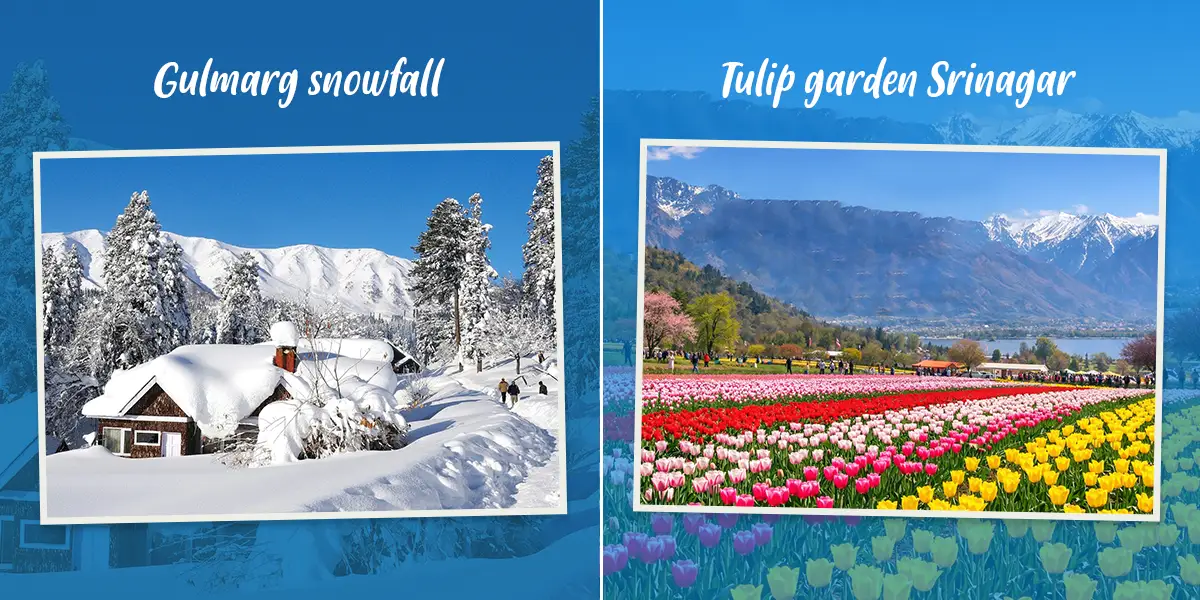
The best time to visit Kashmir is between March and June for sightseeing and pleasant weather, while December to February is ideal for snowfall and winter experiences in Gulmarg. Travellers looking for tulip gardens usually visit during April, while honeymoon couples often prefer winter snow seasons.
| Month | Weather Experience | Best For |
|---|---|---|
| March | Spring begins | Tulip gardens, sightseeing |
| April | Pleasant weather | Family vacations |
| May–June | Peak summer season | Scenic travel, school holidays |
| July–September | Green valleys, fewer crowds | Budget travel |
| October | Autumn landscapes | Photography |
| November–February | Snowfall season | Honeymoon, Gulmarg snow |
The best time to visit Kashmir is between March and June for sightseeing and pleasant weather, while December to February is ideal for snowfall and winter experiences in Gulmarg. Travellers looking for tulip gardens usually visit during April, while honeymoon couples often prefer winter snow seasons.
March to June remains the most preferred season for families visiting Kashmir from Mumbai.
Why?
During this period, destinations like Srinagar, Gulmarg, and Pahalgam remain fully operational with pleasant daytime temperatures
Travellers planning complete family itineraries often explore structured Kashmir tour packages from Mumbai to simplify hotels, flights, and local transport planning.
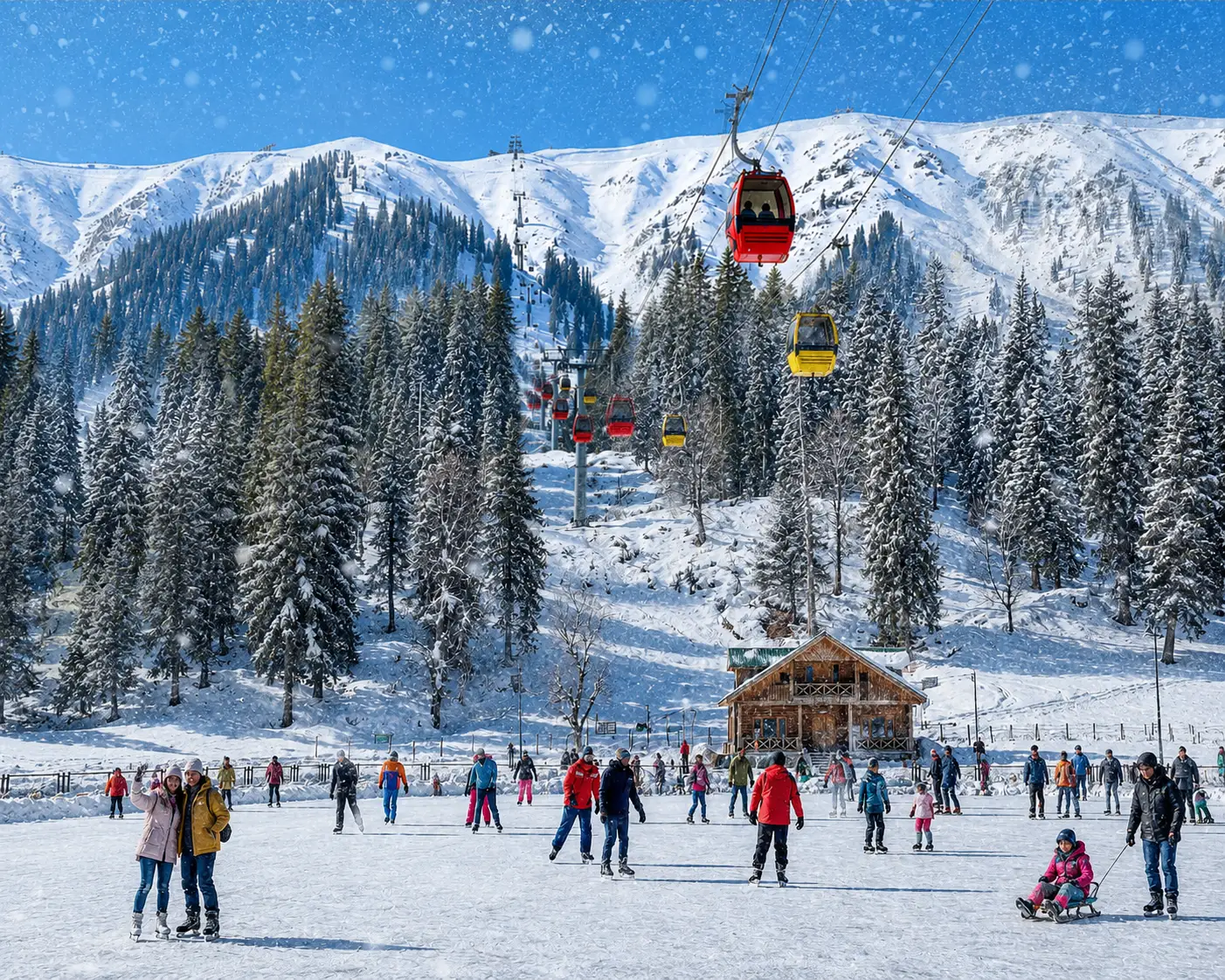
If your goal is snowfall in Kashmir, the ideal period is:
This is when Gulmarg receives the heaviest snow coverage.
Popular winter experiences include:
From actual booking trends, December end and January remain the highest-demand months for snow-focused Kashmir trips.
The best time to visit Gulmarg for snowfall is usually:
However, snowfall intensity changes every year depending on weather conditions.
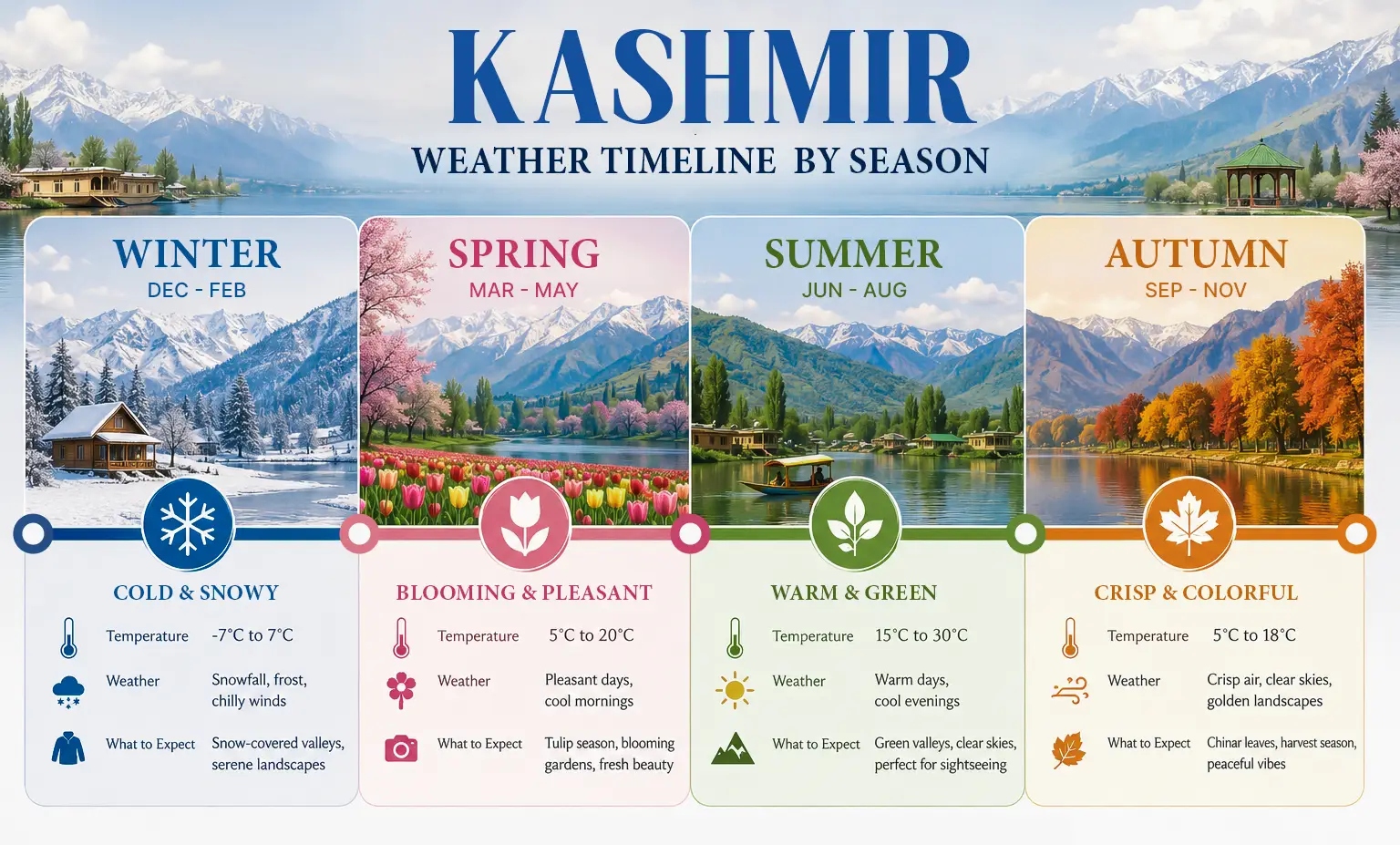
Spring is one of the most visually attractive seasons in Kashmir.
Why travellers prefer spring:
The famous Indira Gandhi Memorial Tulip Garden in Srinagar usually attracts major tourist demand during April.
This season works especially well for:
Summer remains the busiest travel season in Kashmir.
This period sees high demand because:
Average temperatures:
Most travellers visiting during this period usually combine:
into a 5N/6D itinerary.
Travellers comparing routes and inclusions often browse domestic tour packages before finalising travel plans.
Unlike many Indian hill stations, Kashmir receives comparatively lower rainfall in several regions.
July to September can work well for :
However :
can affect travel schedules.
This season is usually preferred by experienced travellers looking for off-season pricing advantages.
October is underrated but visually stunning.
Why many travellers now prefer autumn:
This season works especially well for:
Travel planners across Navi Mumbai have noticed increasing demand for Kashmir autumn trips over the last two years due to social media travel trends.
From actual travel enquiry patterns:
One common pattern remains consistent:
Travellers who plan flights early usually save significantly on total Kashmir trip cost.
This becomes especially important during:
If you want:
There is no single “perfect” month for everyone.
The best time to visit Kashmir depends on:
Travellers from Mumbai and Navi Mumbai often prefer structured planning support because:
Many travellers initially research destinations independently and later compare complete tour packages for domestic and international trips before finalising budgets and itineraries.

 +91 99204 02020